情人節

情人節

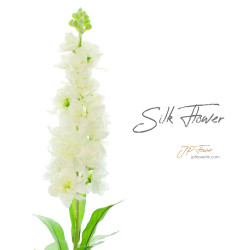
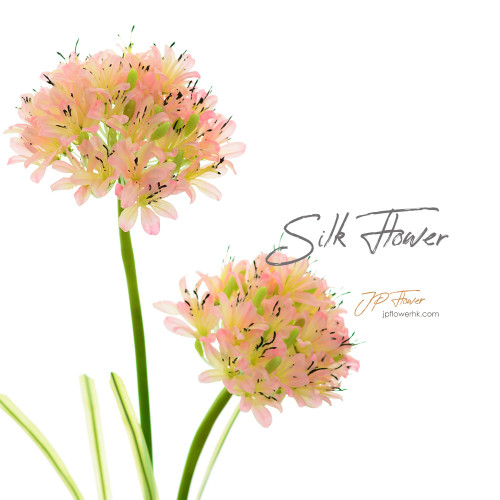
Agapanthus-Silk Flower-ss118

Agapanthus-Silk Flower-ss118
Artificial flowers Wholesale Inquiry Out Of Stock
Agapanthus-Silk Flower-ss118
from
$80
Ex Tax: $80
Price in reward points: 1600

Available Options

Share

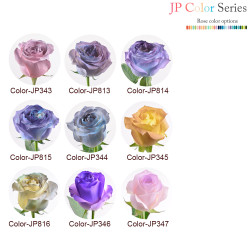
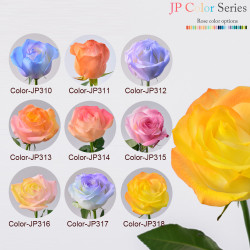
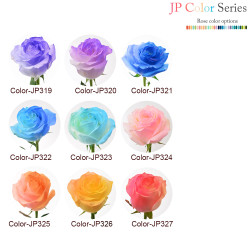
請注意,因不同顯示器和拍攝環境的影響,實際產品顏色可能與圖片有所不同。
顯示設備差異:

不同顯示器或設備上,顏色顯示的準確性可能會有所不同,因此同一產品在不同設備上看的顏色可能會有差別。
光線影響:

拍攝產品時的光線條件可能會影響顏色呈現,實際產品的顏色可能與照片中呈現的顏色略有不同。
材質差異:

不同材質(如布料、塑膠或金屬)的反光特性也會影響顏色的呈現,可能導致顏色看起來有所不同。
色彩校正:

我們已盡力校正顏色,但無法保證每個顏色都能100%準確呈現,請您在購買前確認好。
顏色選擇:

當選擇顏色時,我們建議您參考實體樣品(若有提供),以便更好地了解產品的真實顏色。

Agapanthus-Silk Flower/Imitation Flower-ss118

Agapanthus (Scientific name: Agapanthus africanus (L.) Hoffmanns.) is a plant of the genus Agapanthus africanus (L.) Hoffmanns. Perennial herb. Plant height is 50-70 cm. With shortened rhizomes. The leaves are two rows of basal, tongue-shaped ribbon, smooth, dark green. The scape is drawn from the leaves, 40-80 cm high. Capsules, containing most winged seeds. Natural flowering period from July to September. The fruit ripening period is from August to October.

It is native to South Africa and cultivated in many parts of China. Like a warm, humid and sunny environment. It is required to be cool in summer and warm in winter. The temperature is 20-25℃ from May to October, and the temperature is 5-12℃ from November to April of the following year.


Agapanthus sibiricus can be used as cut flowers, flower arrangements and vase flowers. The beautiful Baizi lotus shape is suitable for indoor viewing in potted plants. It is cultivated in a semi-shaded place in southern China and used as ornamental plants in rock gardens and flower borders. North China needs greenhouses to survive the winter, and gardens can be planted in warm areas

Cultivation technology edit voice

Greenhouse ground planting: There must be good drainage measures to prevent waterlogging, and it should not be less than 8 hours to receive direct sunlight every day. In addition, shading facilities must be provided. The substrate should be sandy loam rich in humus, and it is best to use formaldehyde fumigation and sterilization to kill insects before use. The planting density is 6-8 plants per square meter. Plant the seedlings at equal intervals.

Watering: In the soil environment where the Agapanthus sibiricus likes micro-tides, in addition to once permeating the scape when the scape is about to be drawn out, excessive watering should be avoided throughout the production process. During the high temperature period in summer, spray water 1-2 times a day. During the low temperature period in winter, spray water approximately every 4 weeks.

Fertilization: Before planting, bone meal can be used as a base fertilizer. The dosage is 1 kilogram per square meter. The base fertilizer should be evenly turned into the soil. Before new leaves sprout in spring, before flower bud differentiation in summer, and after harvesting cut flowers in autumn, apply liquid fertilizer with a ratio of nitrogen, phosphorus and potassium of 1:1:2 as top dressing.

2113 Light: When the temperature exceeds 30°C, it is necessary to shade the Agapanthus sibiricus. During the low temperature period in winter and spring, it is best to irradiate the plants in full daylight. This is beneficial to increase the yield of cut flowers and improve the quality of cut flowers.

Ventilation: During the vigorous growth season, open windows for 4-6 hours a day for ventilation. In the slow growth stage, if the indoor air temperature is not very high, open the window at noon the next day to ventilate for 1-2 hours.

Temperature: It should be kept between 15-28℃. When the temperature exceeds 30℃ in summer, water should be sprayed to cool down. Agapanthus sibiricus is not tolerant to low temperatures, and the overwintering temperature should not be lower than 5°C.

5261 Cultivation and weeding: hoeing once a month can promote better plant growth.

Plastic pruning: often cut off the yellow leaves at the base of the plant.

Harvesting: It takes about 24 months for a new plant to be planted to harvest the finished product. In the future, the finished product can be harvested once a year, and the old plants should be renewed after about 5 years. At that time, the clumps of Agapanthus sibiricus can be replanted. When the small flower buds on the inflorescence are fully translucent, they will be harvested in an appropriate time. The cut flowers obtained will be bundled after sorting and grading.

Write a review

Please login or register to review
Vanda orchid-Silk Flower-ss103
Artificial flowers Wholesale Inquiry Out Of Stock
Vanda-Silk Flower/Imitation Flower-ss103Vanda’s Latin genus name is Vanda, which comes from the Indian Urdu language, meaning that it is attached to a..
from
$80
Ex Tax:$80
Out Of Stock
Consolida-Silk Flower-ss111
Artificial flowers Wholesale Inquiry Out Of Stock
Delphinium-silk flower/simulation flower-ss111Delphinium, the Latin name: Consolida ajacis (L.) Schur, is a perennial herb of the Dicotyledon, Ranuncu..
from
$80
Ex Tax:$80
Out Of Stock
Japanese Snowball-Silk Flower-ss114
Artificial flowers Wholesale Inquiry Out Of Stock
Japanese Snowball Flower-Silk Flower/Imitation FlowerThe Japanese snowball flower is a shrub that blooms in spring, and its official name is Viburnum,..
from
$80
Ex Tax:$80
Out Of Stock